Building a Turkish Bath in a Villa: What Should You Consider Regarding Materials, the Heating System, and Detailed Craftsmanship?
Building a hamam involves constructing one of the most challenging wet spaces in a villa: a space expected to function flawlessly for years under constant humidity, constant steam, and a constant load of water. As one of the structures in traditional architecture that requires the finest attention to detail, the Turkish bath is designed in today’s villa projects as a special living space equipped with underfloor heating, steam, or humidity control systems. While demand for hamams in villa projects in Çeşme and Alaçatı has increased in recent years, the problems that arise when the right materials aren’t selected, joints aren’t properly sealed, or plumbing isn’t properly planned can be just as costly. At İmerek Yapı, we approach hamam construction not as a routine interior application, but as a structural element requiring specialized engineering.
Why Are Material and Grout Selection Critical in Hamam Construction?
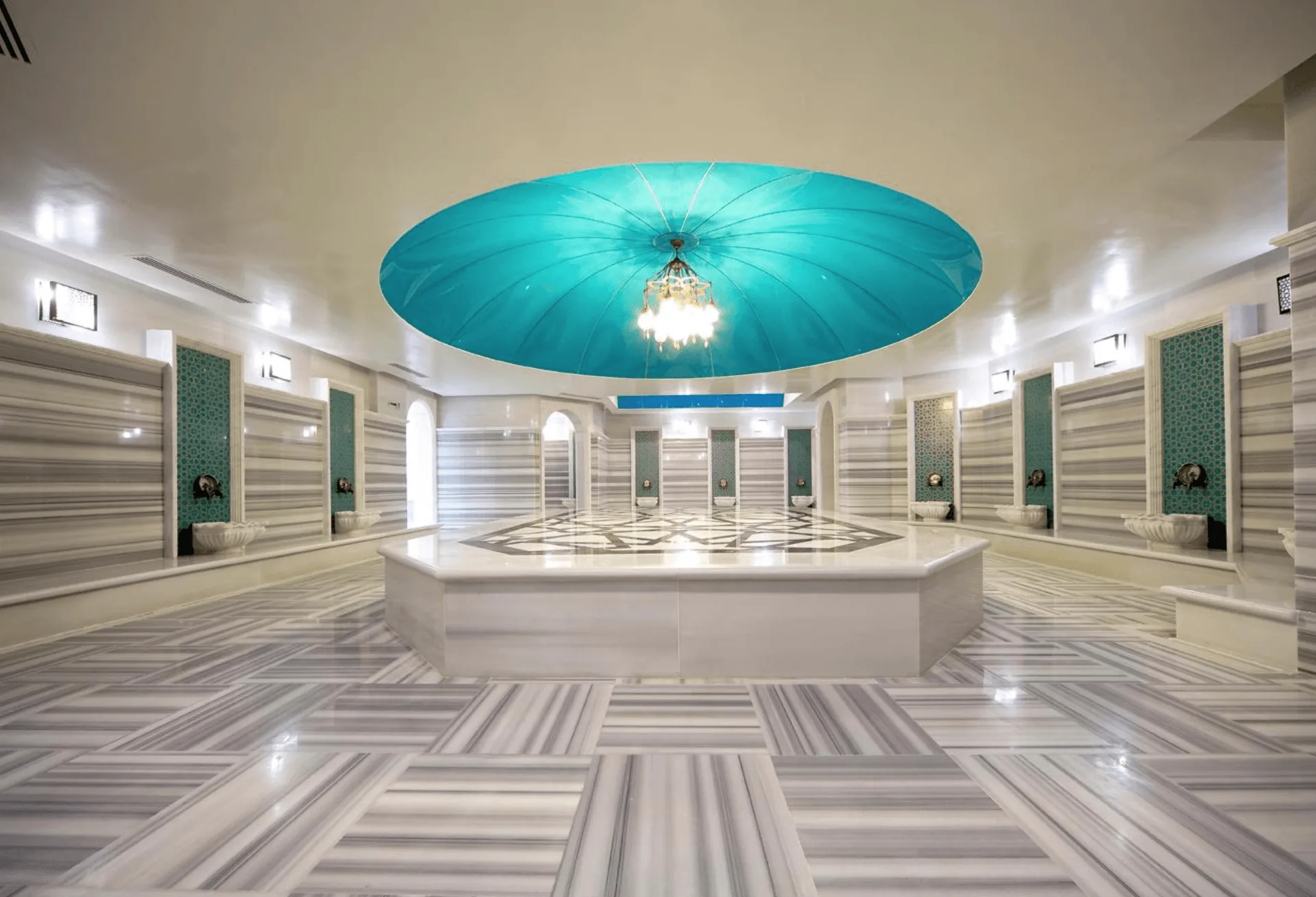
In a Turkish bath, detail is not merely the finishing touch—it is the essence of the work itself. A single poorly chosen material or a single overlooked joint can affect the entire structure over the years. In these spaces, which are constantly exposed to moisture and water, it is essential to select materials appropriate for the job—such as non-porous marble—to minimize the number of joints by reducing connection points, and to design the plumbing system correctly from the outset. The placement of usage points—such as sinks, seating areas, and faucets—should not be arbitrary but determined through a feasibility study; otherwise, both user comfort and proper water drainage will be compromised.
Proper Planning for Heating Systems and Plumbing
The most common problems encountered in Turkish bath construction generally stem from the heating system operating inefficiently or the plumbing system being inadequate. The majority of these issues are prevented not during construction, but during the preliminary survey and design phases. If the type of heating system to be used—whether electric, water-based, or natural gas (boiler)—as well as its capacity and ventilation outlets, are finalized before construction begins, situations requiring dismantling and rebuilding later on can be avoided. Ensuring that the heating system for the central stone is properly sized is one of the most critical details that ensures the long-term, stable operation of the hamam.
Our Approach to Hamam Construction at İmerek Yapı
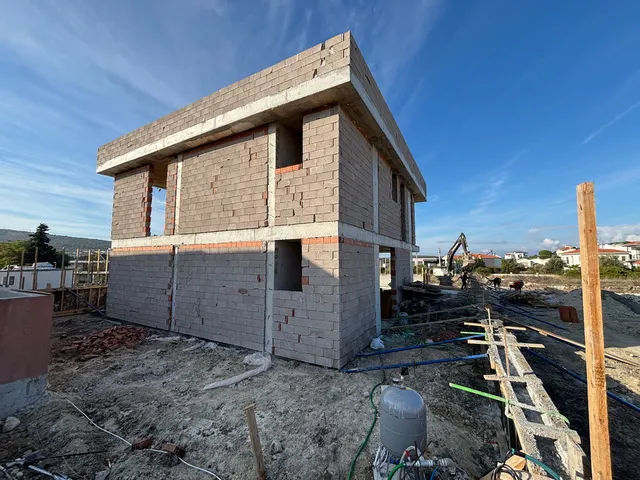
At İmerek Yapı, we carry out the rough construction without subcontractors, using our own team and our own formwork system; we maintain the same controlled approach even in wet areas such as Turkish baths. Just as with water and sound insulation, we operate under a zero-tolerance principle regarding the materials and construction chemicals used in hamam construction: From design to the selection of the heating system, and from grouting to the slope of the plumbing, every step is planned and monitored with careful consideration of how the materials will behave under moisture and heat. As a result, the Turkish bath becomes a living space that is just as reliable and durable as the rest of the villa.
For detailed information about our Turkish bath construction services, Bath Manufacturing You can also visit our page to explore an example of a completed project that features a Turkish bath, sauna, and pool Akdemir Villa You can visit our project.
If you’d like to include a Turkish bath, sauna, or pool in your villa project, you can contact the İmerek Yapı team to receive technical information tailored to your project: +90 545 732 64 44 / bilgi@imerekyapi.com